
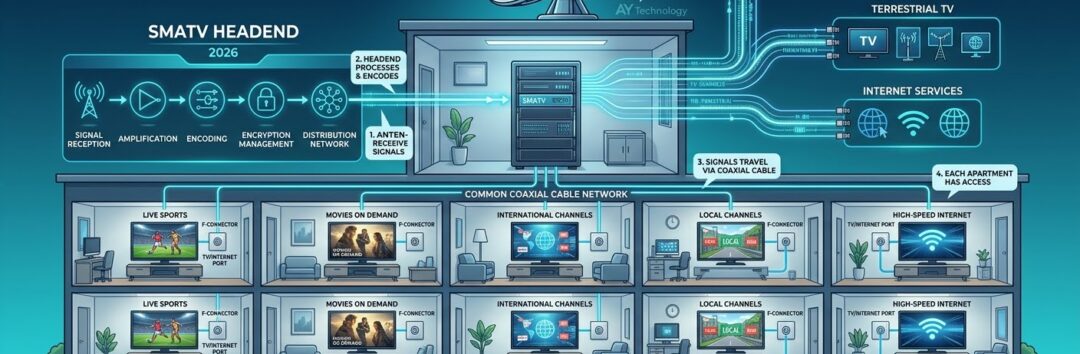
SMATV Engineering Guide • Residential & Hospitality Projects
SMATV System Explained Step by Step: Design, Components & Installation
Satellite Master Antenna Television (SMATV) allows one centrally designed antenna and distribution infrastructure to serve apartments, residential compounds, hotels, resorts and commercial facilities. This guide explains the reception equipment, distribution topology, use of coaxial and optical fibre, commissioning and common design mistakes.
Request an SMATV Project Design Explore Our SMATV ServicesWhat Is an SMATV System?
An SMATV installation receives satellite broadcasts at central antenna equipment and distributes suitable signals to multiple outlets using a planned network. Instead of mounting separate dishes at every apartment, buildings can use rooftop reception, Quattro LNBs and multiswitches, or a selected headend architecture.
Typical distribution chain: Satellite dishes → compatible LNBs → multiswitch / headend or optical distribution → structured coaxial or fibre cabling → room or apartment television outlets.
Why Use Central Satellite Distribution?
Cleaner Building Architecture
Shared antenna infrastructure reduces the need for independently mounted dishes on façades and balconies.
Measured Signal Performance
Designers can budget losses, distribute signal levels and check outlet performance systematically.
Centralized Maintenance
Technicians can troubleshoot shared antennas, LNBs, amplification stages and distribution branches more efficiently.
Scalability
Multiswitch cascades and optical distribution can be planned for larger buildings and multi-building developments.
How an SMATV System Works: Five Engineering Steps
- Receive the selected satellites. Site survey determines satellite selection, dish size, mounting and line-of-sight. Dish alignment and reliable source signal quality come first.
- Select suitable LNBs. Many conventional multiswitch systems require Quattro LNBs providing separate low/high and horizontal/vertical IF outputs; the actual specification depends on the chosen distribution equipment.
- Design the distribution network. Select a suitable multiswitch topology, number of outputs, risers and devices based on subscriber outlets, signal sources and future capacity.
- Calculate and balance signal levels. Include splitter/tap losses, cable attenuation and connector losses. Use amplification only where measurements and the design justify it; excessive gain can overload receivers.
- Install and commission. Build the approved cable routes, terminate and label connections, configure distribution equipment, and verify reception and signal quality at representative and remote outlets.
Principal SMATV Components
Satellite Dish and Mounting
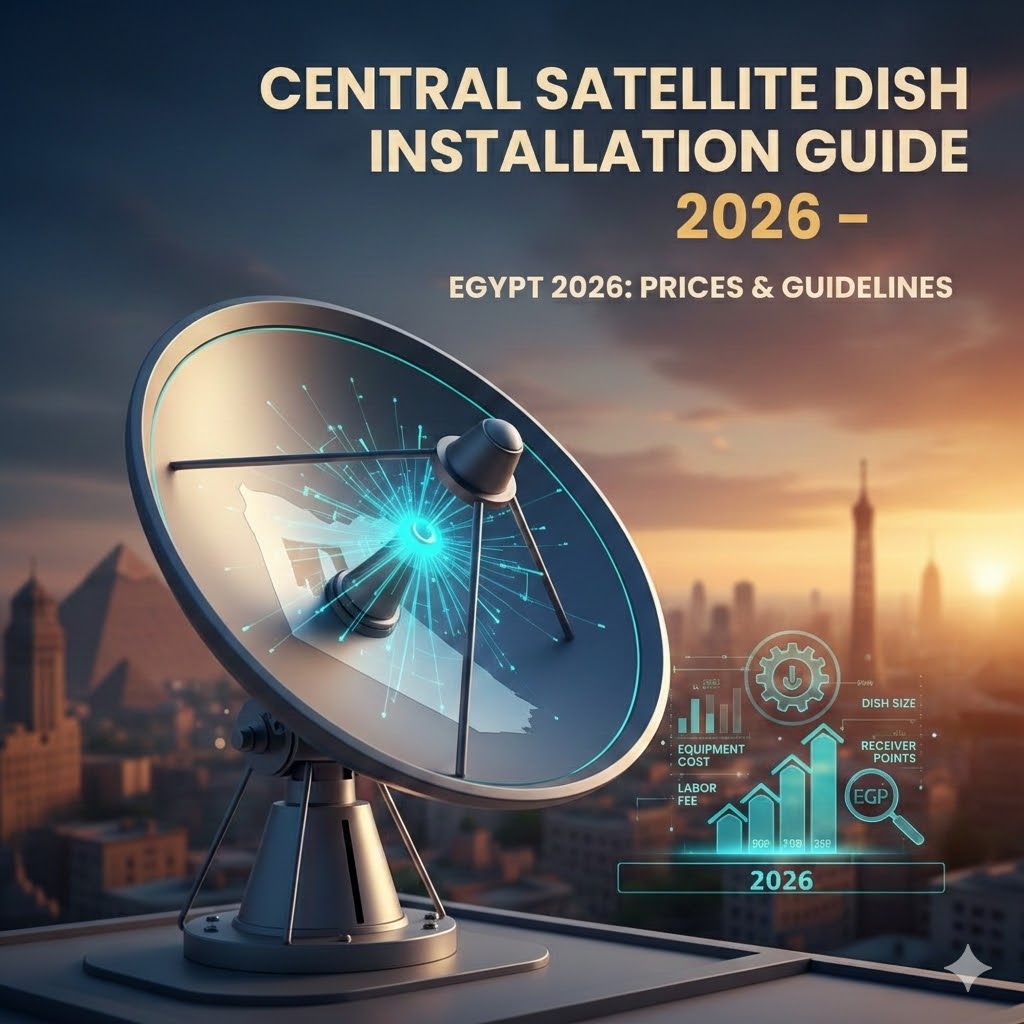
The antenna size, location and alignment must suit reception conditions and the selected satellites.
LNB / Quattro LNB
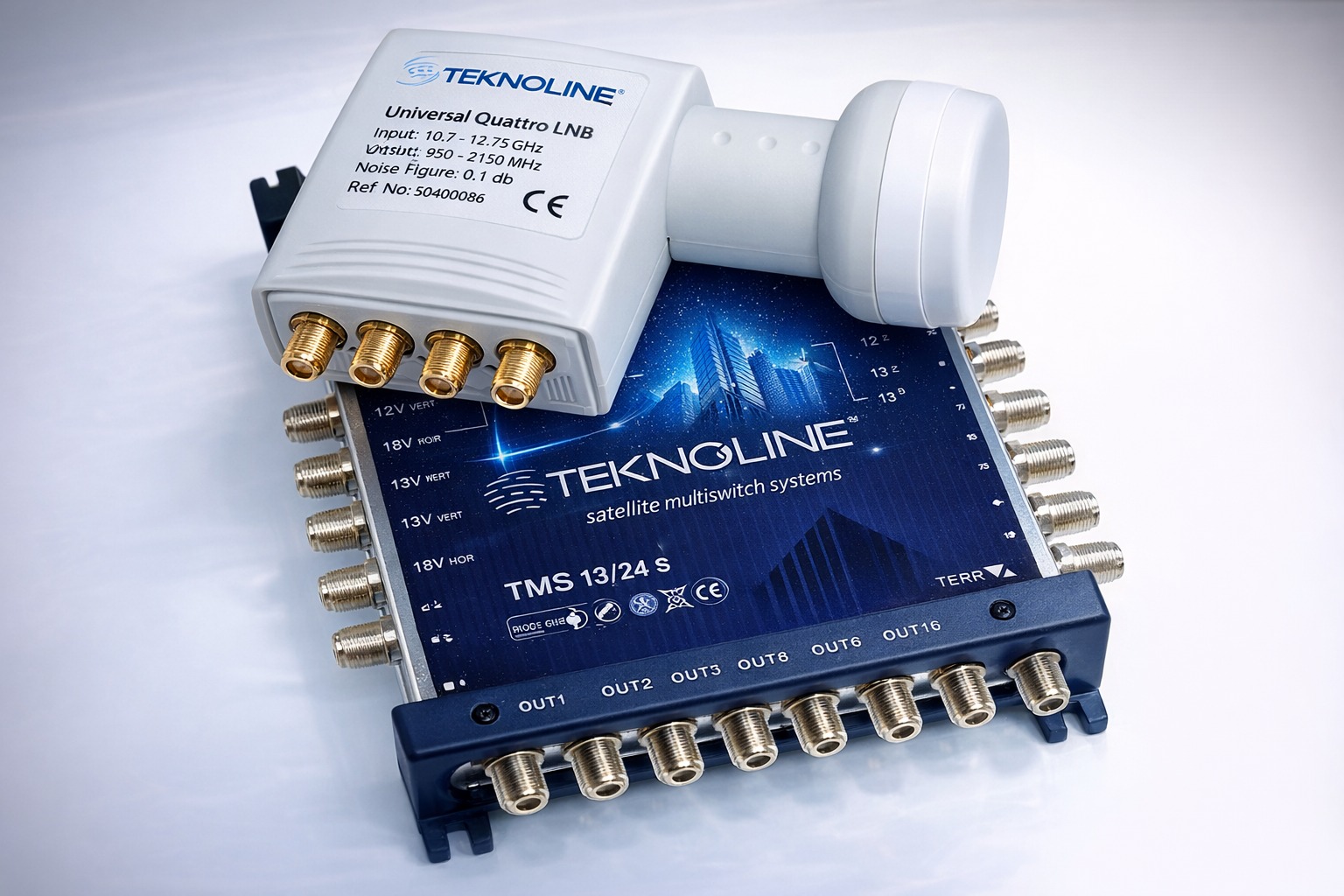
Receives and converts signals from the dish for subsequent distribution. The LNB type must be compatible with the selected architecture.
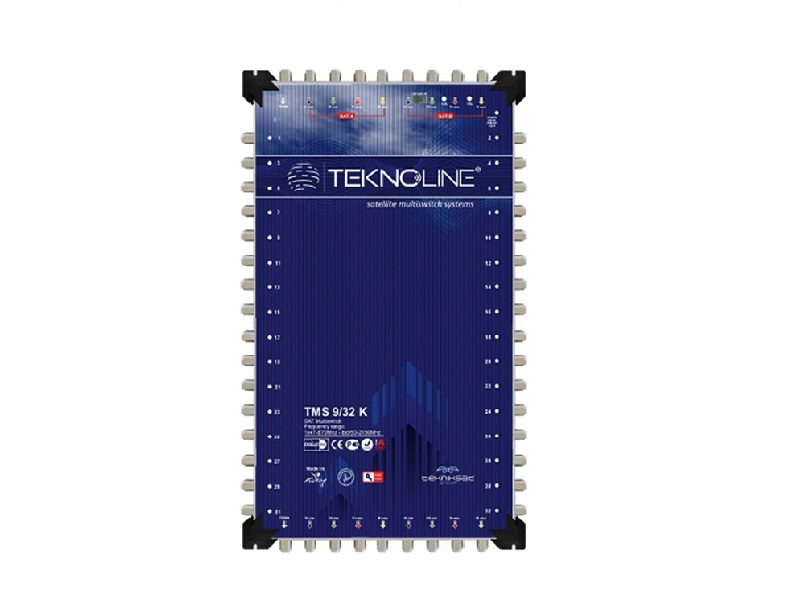
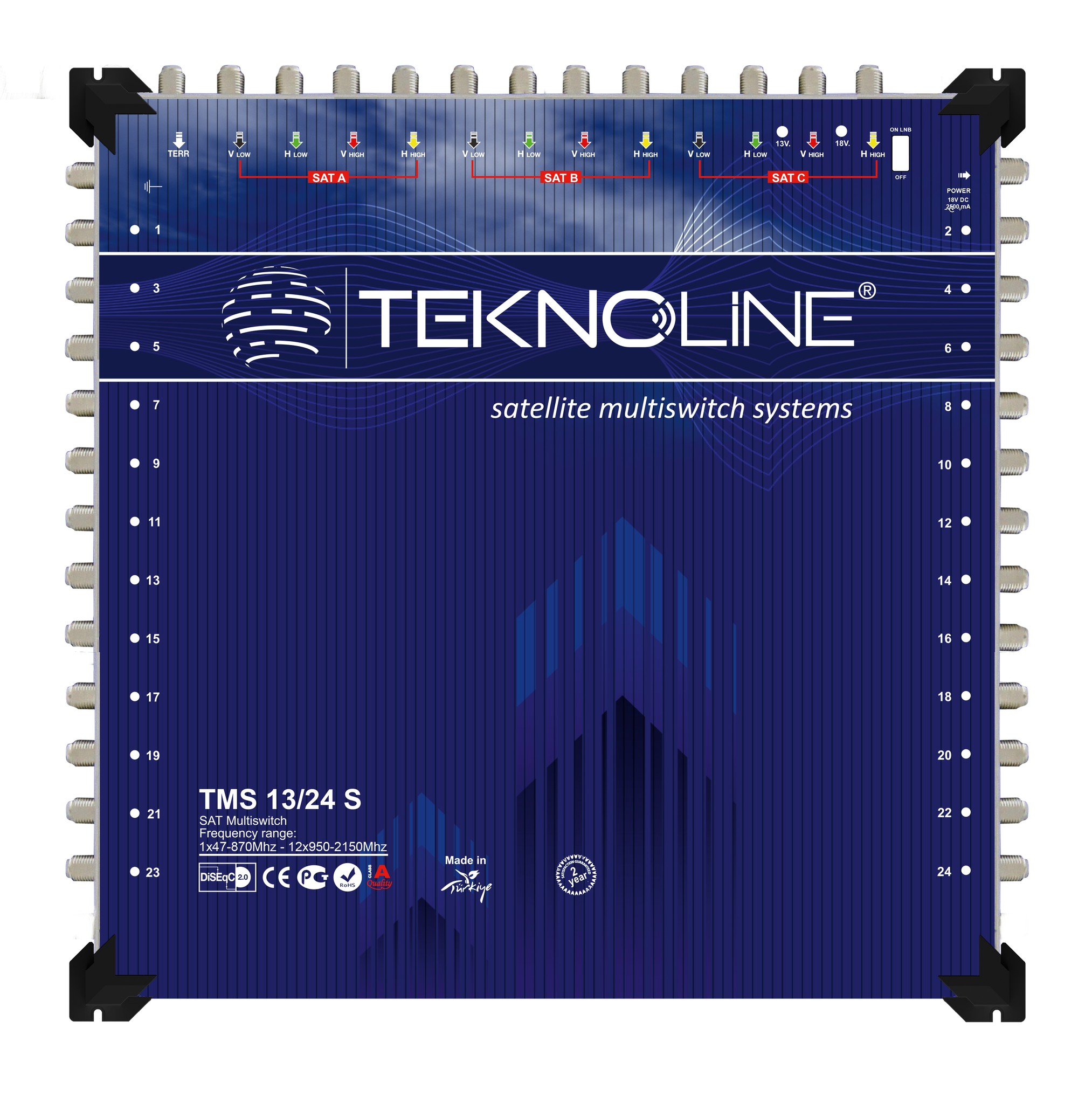
SPAUN Multiswitch
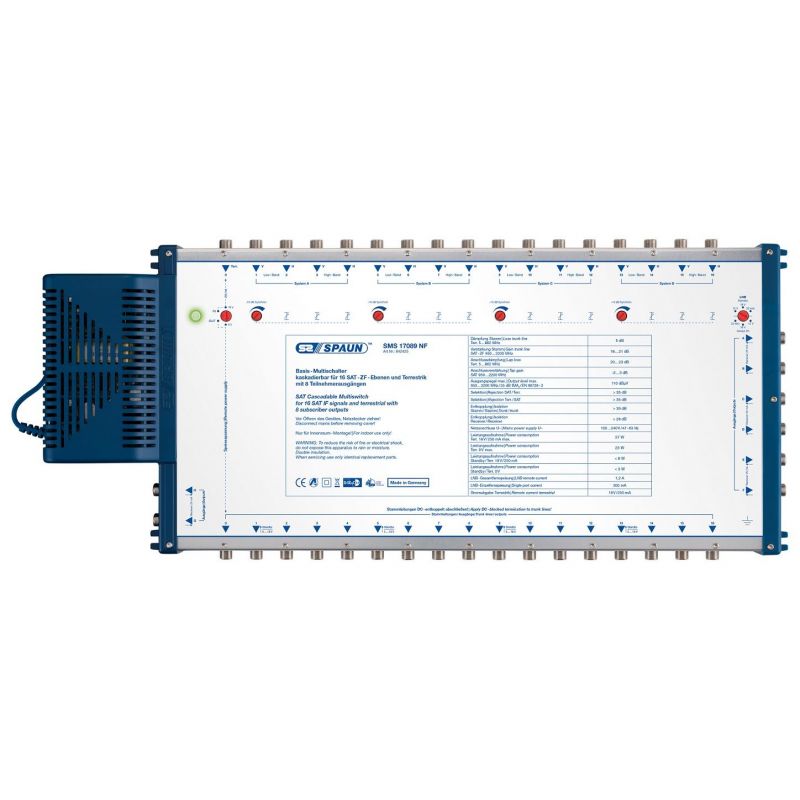
Connects satellite reception sources to multiple subscriber outputs, with the input/output capacity and cascades chosen according to the design.
RG6 Coaxial Cable

Useful for appropriately sized coaxial distribution networks. Cable quality, shielding and frequency-dependent attenuation matter.
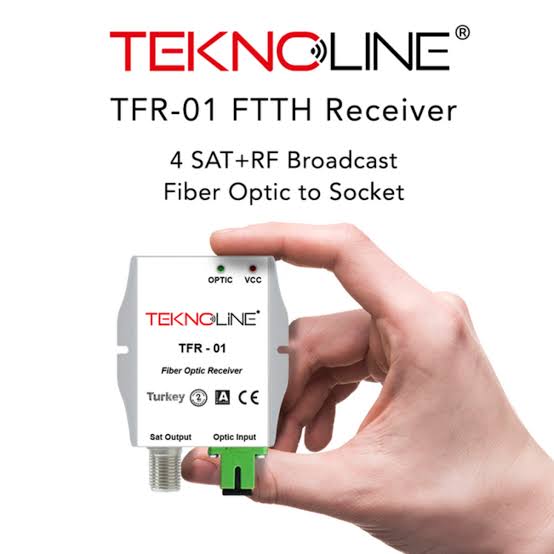
Optical Transmitter & Receiver
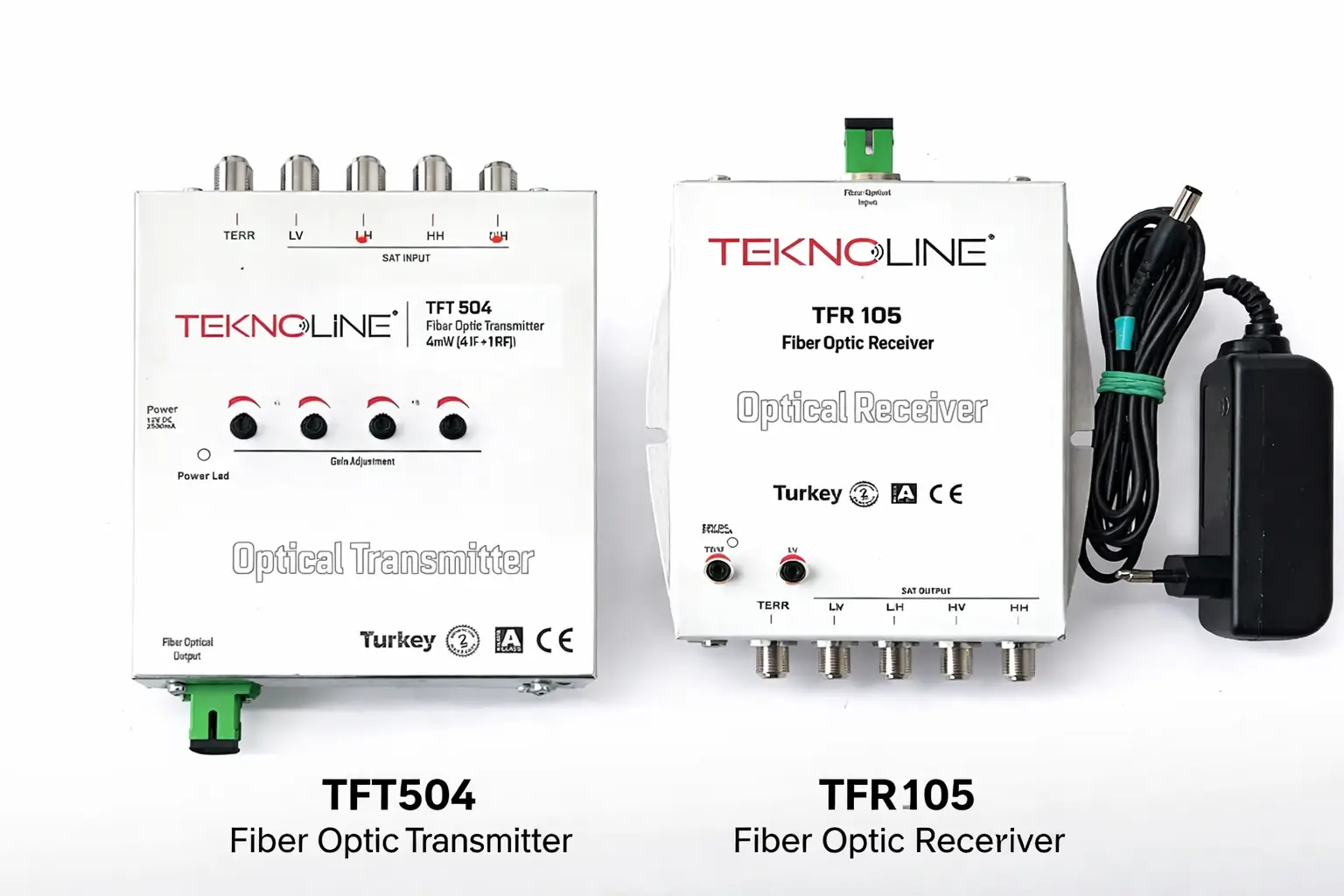
Enables suitable satellite or RF signals to be carried over optical fibre where equipment compatibility and optical power budget are considered.
Headend and Signal Processing
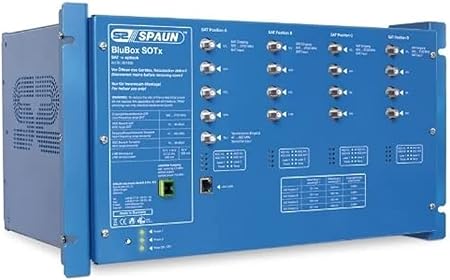
Selected digital headend equipment can process and remodulate channels for centralized television distribution, depending on the target TV infrastructure.
SMATV Over RG6 vs Optical Fibre
The decision depends on outlet counts, distance, riser structure and the required equipment. Fibre is not automatically necessary for every apartment building, while a long multi-building network may benefit significantly from an optical backbone.
| Consideration | RG6 Coaxial SMATV | Fibre-Based Distribution |
|---|---|---|
| Typical projects | Small and medium buildings with suitable cable lengths | Large compounds, hotels and long backbone routes |
| Distance | Loss increases with cable length and operating frequency | Longer runs may be feasible with appropriate optical link budgets |
| Infrastructure | Coaxial risers, taps, amplifiers and multiswitches | Optical transmitter, fibre cabling, compatible receivers and distribution |
| Upfront cost | Often lower for modest installations | May require more specialized equipment and commissioning |
| Reliability | Strong when cable loss and terminations are controlled | Strong when optical power, connectors and equipment are correctly specified |
When Do You Need a Digital TV Headend?
A headend may be appropriate when a hotel, resort, hospital or other facility needs a controlled channel package, digital RF distribution, redistribution of selected services or integration with a hospitality TV platform. It is not interchangeable with a simple subscriber multiswitch network: define the desired reception and TV endpoint types first.
Recommended Topology by Project Type
Small Residential Building
Central dish, compatible LNBs, suitably sized multiswitch, labelled RG6 runs and outlet testing.
Multi-Floor Apartment Tower
Check cable distances, riser access, distribution stages, signal balancing and future outlet expansion.
Multi-Building Compound
Review optical backbone distribution between buildings, local distribution rooms and appropriate redundancy.
Hotel or Resort
Evaluate central channel plans, DVB-C or IPTV requirements, hospitality TV compatibility, headend selection and room counts.
Common SMATV Installation Mistakes
- Installing poor-quality coaxial cable or connectors without verifying attenuation and shielding.
- Choosing insufficient multiswitch capacity or an unsuitable distribution topology.
- Adding signal amplifiers without calculating levels, losses and maximum output requirements.
- Ignoring the condition of the source satellite signal, dish alignment or LNB selection.
- Not measuring the weakest and most remote outlets during commissioning.
- Omitting cable labelling, handover drawings, equipment settings and maintenance access.
SMATV Project and Installation References
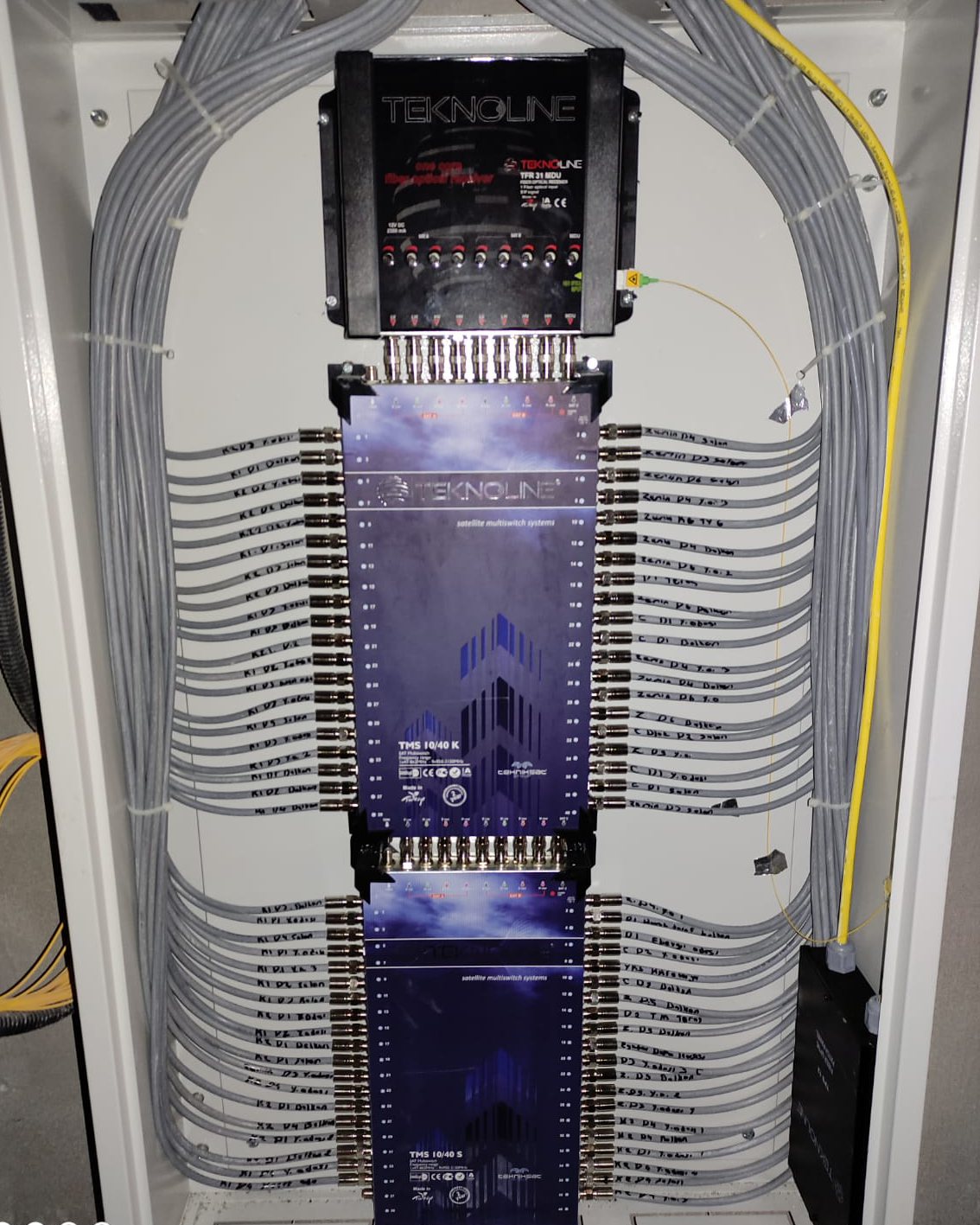
Examples of satellite distribution racks, central dish installations and equipment used for relevant projects.
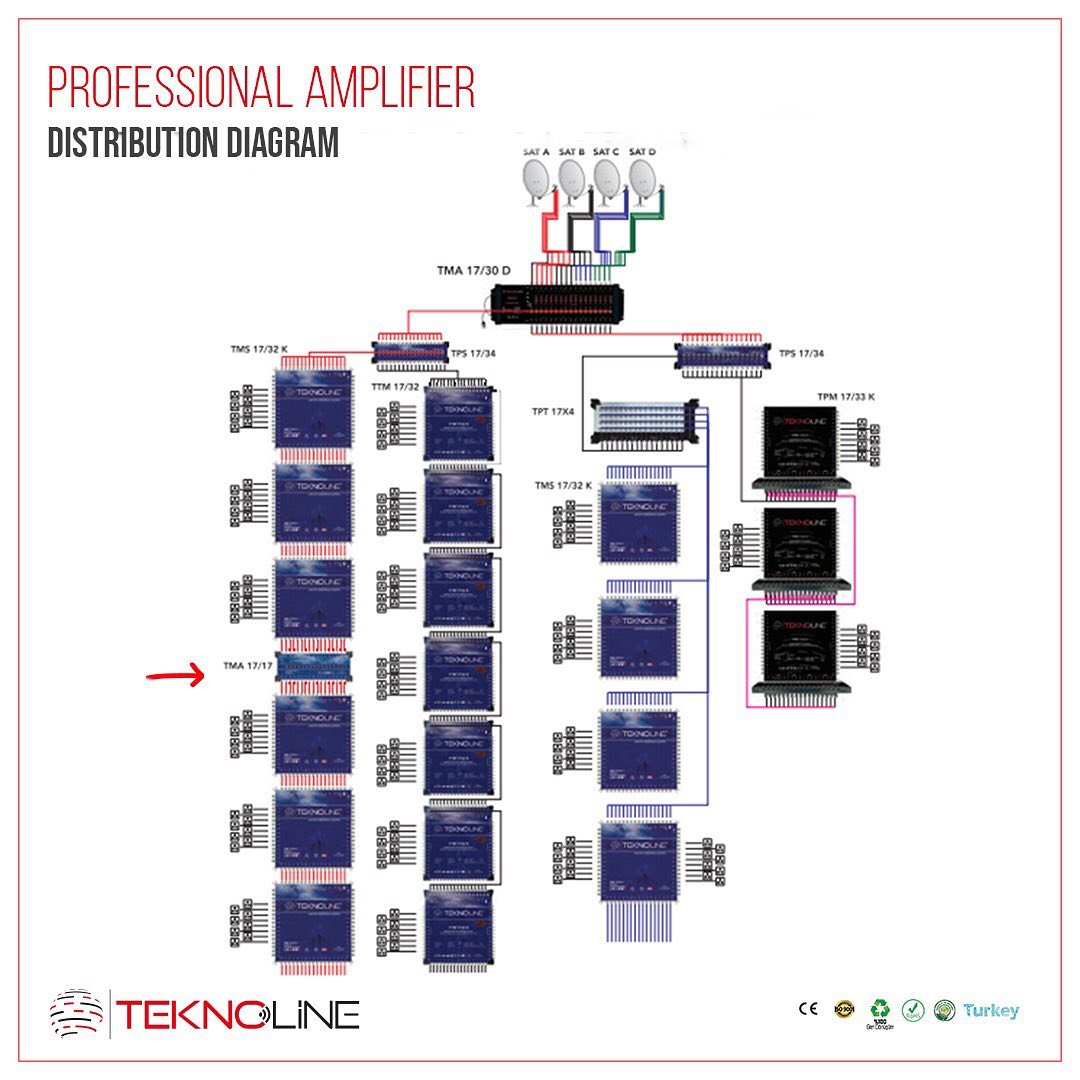
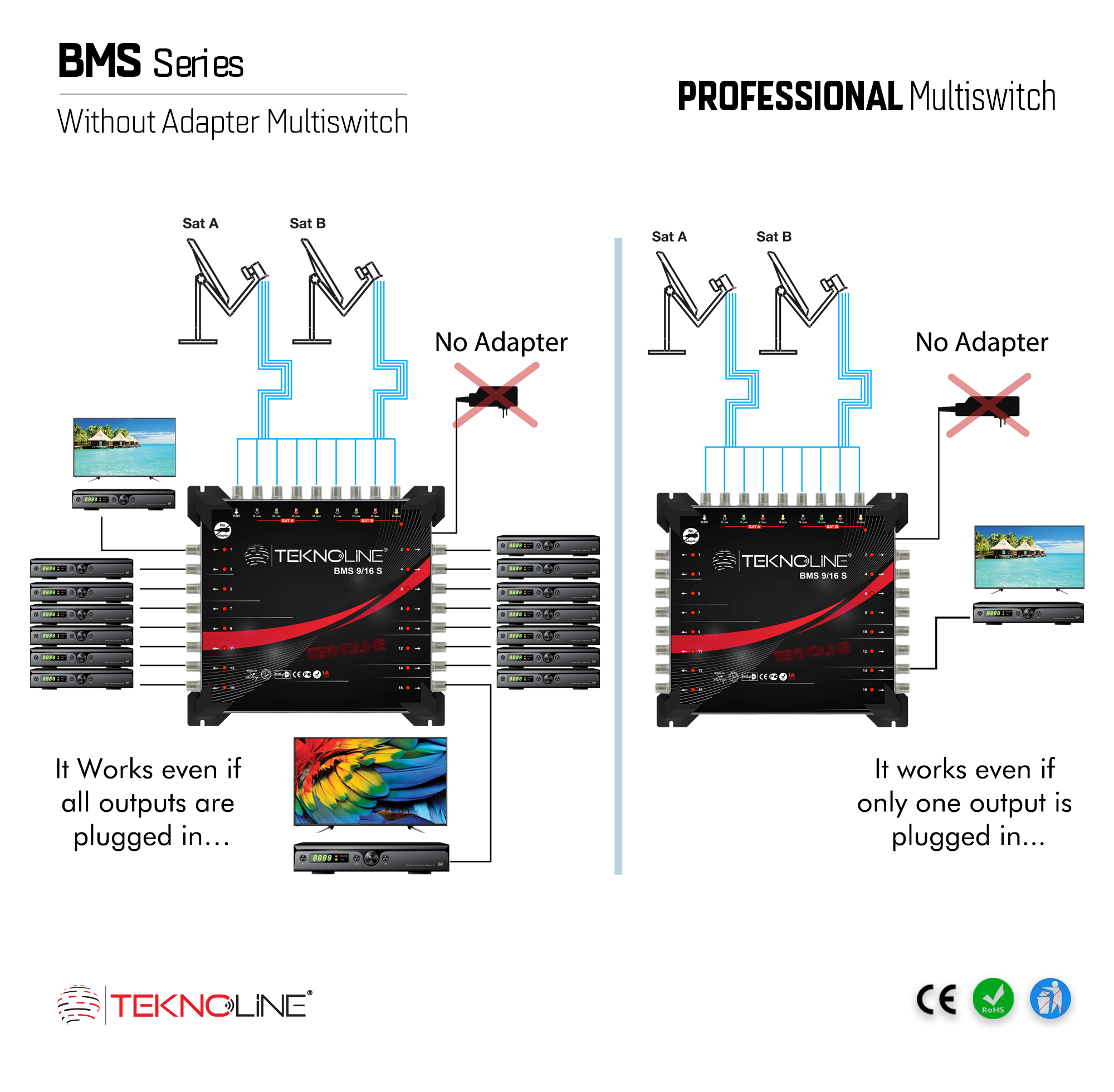
Frequently Asked Questions
What is the difference between SMATV and a standard satellite dish?
A conventional system may serve one home or receiver, while SMATV centralizes reception and distributes the selected satellite signals to many outlets according to a designed infrastructure.
Is SMATV suitable for residential compounds?
Yes. It can reduce individual rooftop dish installations, and optical links between buildings can be considered where distances and scale make that appropriate.
When should I use optical fibre instead of RG6?
Consider fibre when long distances, multi-building architecture or an optical distribution design justify it. The choice requires technical assessment rather than a fixed distance rule.
Does every SMATV system require a headend?
No. A simple multiswitch network may provide appropriate subscriber reception for some buildings. Hotels and facilities with centrally curated television channels may need suitable headend or IPTV equipment.
What determines the cost of an SMATV project?
Key factors include outlet count, required satellites, cabling distance, distribution equipment, installation routes, optical or headend requirements, testing and commissioning scope.
Planning Central Satellite TV for a Building, Compound or Hotel?
Send AY Technology the number of buildings, floors and outlets, intended satellites and approximate cable routes. We can evaluate a suitable coaxial, optical or headend design for your project.
Request a Technical Proposal SMATV Engineering Services WhatsApp Engineering Teamشرح نظام الدش المركزي SMATV خطوة بخطوة للعمارات والكمبوندات
نظام الدش المركزي SMATV هو الحل الاحترافي لتوزيع القنوات الفضائية داخل العمارات، الكمبوندات، الفنادق، القرى السياحية والمشروعات الكبيرة بدون أطباق عشوائية على الواجهات وبدون مشاكل ضعف الإشارة المتكررة.
ما هو نظام الدش المركزي SMATV؟
نظام SMATV هو نظام استقبال مركزي للقنوات الفضائية ثم توزيع الإشارة على عدد كبير من الوحدات من خلال شبكة منظمة. بدل ما كل شقة تركب طبق دش مستقل، يتم تركيب أطباق مركزية ومكونات توزيع احترافية تخدم كل الوحدات بشكل ثابت ومنظم.
لماذا تحتاج العمارات والكمبوندات إلى نظام SMATV؟
شرح نظام SMATV خطوة بخطوة
استقبال الإشارة من الأقمار الصناعية
يتم تركيب طبق أو أكثر على السطح حسب الأقمار المطلوبة مثل نايل سات أو عرب سات أو أقمار أخرى، مع ضبط الطبق بدقة لتقليل فقد الإشارة من البداية.
اختيار LNB مناسب للنظام
في أنظمة SMATV الاحترافية غالبًا يتم استخدام Quattro LNB لأنه يخرج الترددات المطلوبة للنظام المركزي بشكل صحيح.
توزيع الإشارة عبر Multiswitch
الـ Multiswitch هو قلب نظام الدش المركزي، ويقوم بتوزيع الإشارة على عدد كبير من المخارج بحيث تستقبل كل وحدة الإشارة بشكل مستقل.
تقوية الإشارة عند الحاجة
في المشاريع الكبيرة أو المسافات الطويلة يتم استخدام Amplifiers لتعويض الفقد وضمان وصول الإشارة بجودة جيدة لكل وحدة.
نقل الإشارة عبر RG6 أو Fiber
في العمارات الصغيرة والمتوسطة يمكن الاعتماد على كابلات RG6 عالية الجودة، أما في الكمبوندات والفنادق والمسافات الطويلة يكون الفايبر اختيارًا أفضل.
مكونات نظام الدش المركزي SMATV
Satellite Dish
طبق استقبال مركزي يتم ضبطه بدقة لاستقبال القنوات من الأقمار المطلوبة داخل المشروع، وهو أول نقطة في نظام SMATV.
LNB / Quattro LNB
عنصر أساسي لاستقبال الإشارة من الطبق وتجهيزها للتوزيع عبر النظام المركزي، خصوصًا في أنظمة Multiswitch.
SPAUN Multiswitch
سويتش ألماني احترافي لتوزيع إشارة الدش المركزي على الوحدات بثبات وجودة عالية، وهو من أهم مكونات النظام.
الفرق بين نظام SMATV بكابل RG6 ونظام SMATV بالفايبر
اختيار نوع الشبكة يعتمد على حجم المشروع والمسافات بين غرفة النظام والوحدات. ليس كل مشروع يحتاج فايبر، وليس كل مشروع يصلح له RG6 فقط.
| المقارنة | SMATV بكابل RG6 | SMATV بالفايبر |
|---|---|---|
| أفضل استخدام | عمارات ومبانٍ صغيرة ومتوسطة. | كمبوندات، فنادق، قرى سياحية، ومسافات طويلة. |
| الفقد في الإشارة | يزيد مع طول الكابل ويحتاج حسابات دقيقة. | فقد أقل بكثير ومناسب للمسافات الطويلة. |
| التكلفة | أقل في المشاريع الصغيرة. | أعلى نسبيًا لكن أفضل للمشروعات الكبيرة. |
| الاعتمادية | جيدة جدًا مع كابلات أصلية وتنفيذ صحيح. | ممتازة للمشروعات ذات التوزيع الواسع. |
كابلات التوزيع: متى نستخدم Fiber ومتى نستخدم RG6؟

Fiber Optic Cable
أفضل اختيار للمشروعات الكبيرة والكمبوندات والفنادق والمسافات الطويلة لأنه يقلل فقد الإشارة بشكل واضح.
Recber RG6 Cable
كابل Coaxial مناسب للعمارات والمشروعات المتوسطة بشرط استخدام جودة عالية وتنفيذ صحيح.
Fiber Transmitter / Receiver
أجهزة إرسال واستقبال لتحويل ونقل إشارة الدش المركزي عبر الفايبر للمسافات الطويلة.
متى نحتاج Headend في نظام SMATV؟
الـ Headend يُستخدم في الأنظمة الأكثر احترافية، خصوصًا الفنادق، القرى السياحية، المستشفيات، الكمبوندات أو المشاريع التي تحتاج توزيع قنوات محددة بطريقة مركزية أو دمج قنوات داخلية.
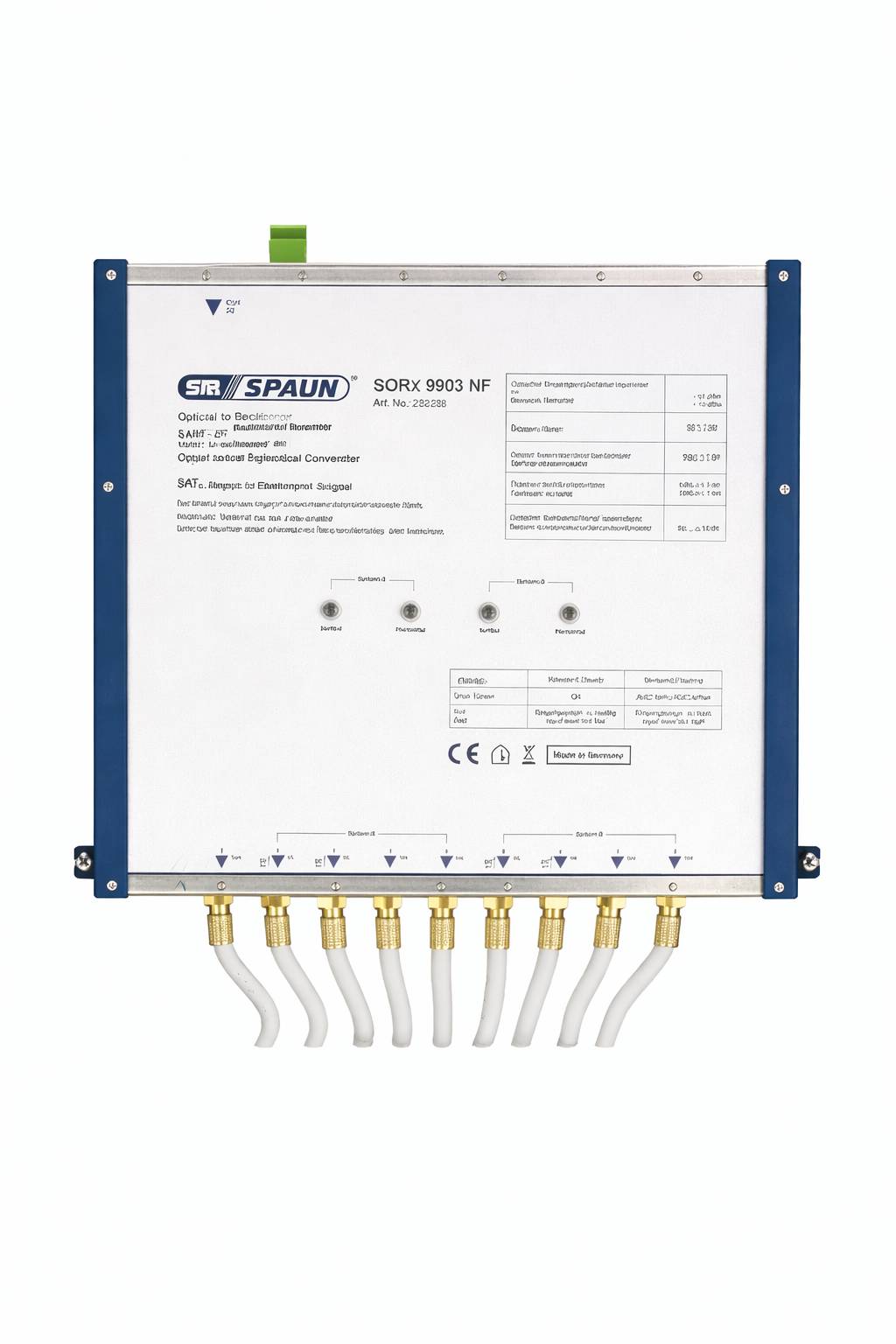
SPAUN Optical Headend
حل ألماني احترافي للمشروعات الكبيرة التي تحتاج معالجة وتوزيع إشارة على مستوى أعلى.
German Fiber Switch
مكون مناسب لتوزيع الإشارة في أنظمة الفايبر داخل المشاريع الكبيرة والكمبوندات.
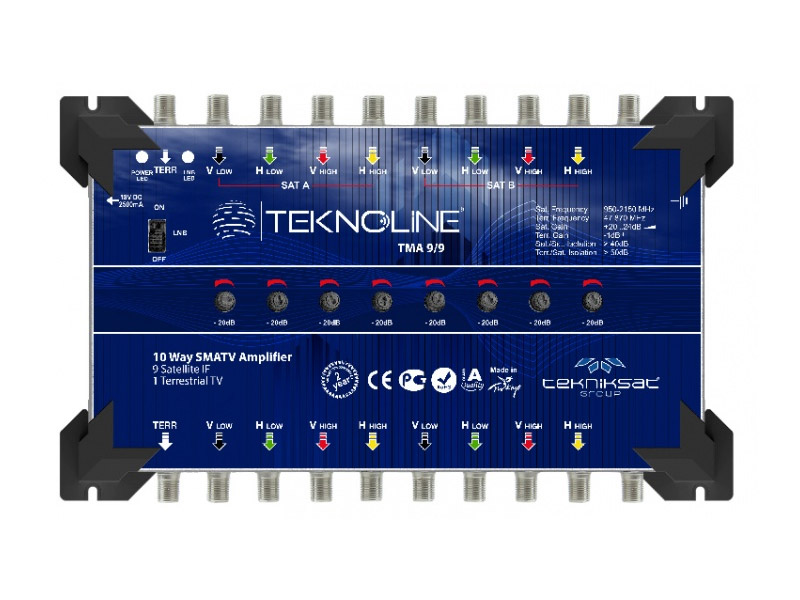
SMATV Amplifier
يستخدم لتعويض فقد الإشارة في المسافات الطويلة أو الشبكات ذات عدد مخارج كبير.
أفضل تصميم حسب نوع المشروع
أخطاء شائعة تسبب ضعف إشارة الدش المركزي
- استخدام كابل RG6 ضعيف أو غير مناسب للمسافات الطويلة.
- اختيار Multiswitch أقل من احتياج المشروع الفعلي.
- عدم حساب فقد الإشارة قبل التنفيذ.
- توزيع مخارج كثيرة بدون Amplifier مناسب.
- تركيب عشوائي بدون مخطط واضح للكابلات والمسارات.
- استخدام وصلات رديئة أو F Connectors غير جيدة.
- عدم اختبار الإشارة عند آخر نقطة في الشبكة قبل التسليم.
أعمال تنفيذ حقيقية لأنظمة SMATV
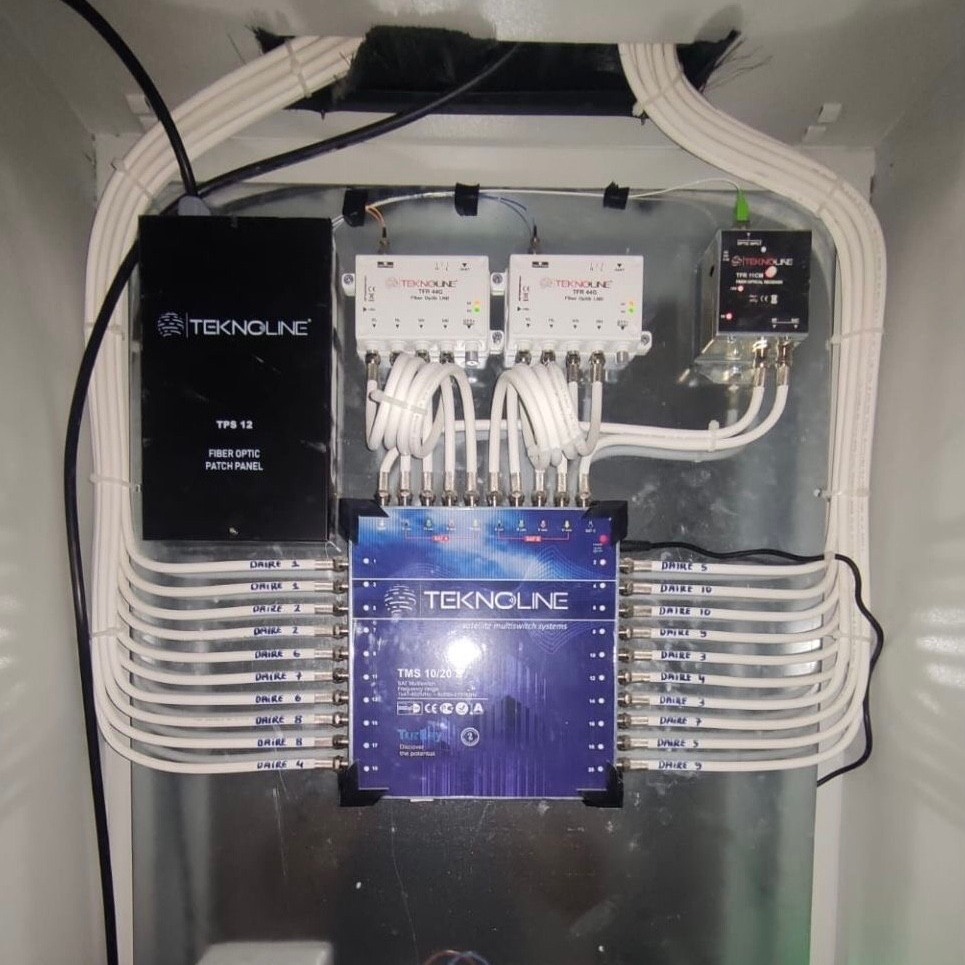
نماذج من أعمال ومكونات تنفيذ أنظمة الدش المركزي، من راكات توزيع ومكونات SMATV وكابلات وتجهيزات فنية للمشروعات.
لماذا تختار AY Technology لتصميم وتنفيذ نظام SMATV؟
- دراسة فنية للمشروع قبل اختيار المعدات.
- تصميم مناسب لعدد الوحدات والمسافات والأقمار المطلوبة.
- توريد مكونات احترافية مثل SPAUN وTeknoline وكابلات RG6/Fiber.
- تنفيذ منظم يحافظ على شكل المشروع ويسهل الصيانة.
- اختبار الإشارة عند المخارج قبل التسليم.
- إمكانية تنفيذ حلول SMATV over Fiber وHeadend للمشروعات الكبيرة.
- دعم فني وخدمة ما بعد البيع.
هل تريد تصميم نظام SMATV لمشروعك؟
أرسل لنا عدد الوحدات، عدد المباني، المسافات التقريبية، والأقمار المطلوبة، وسنرشح لك التصميم المناسب: RG6 أو Fiber أو Headend حسب طبيعة المشروع.
الأسئلة الشائعة حول نظام الدش المركزي SMATV
ما هو نظام SMATV؟
هو نظام دش مركزي يقوم باستقبال القنوات الفضائية من طبق أو أكثر ثم توزيع الإشارة على عدد كبير من الوحدات من خلال Multiswitch أو Headend وشبكة كابلات منظمة.
هل نظام SMATV مناسب للكمبوندات؟
نعم، مناسب جدًا للكمبوندات لأنه يمنع فوضى الأطباق ويوفر توزيع مركزي ثابت، خصوصًا عند استخدام الفايبر بين المباني أو غرف التوزيع.
ما الفرق بين SMATV بالكابل وSMATV بالفايبر؟
الكابل RG6 مناسب للعمارات والمسافات المتوسطة، بينما الفايبر أفضل للمسافات الطويلة والكمبوندات والفنادق لأنه يقلل فقد الإشارة.
متى نحتاج Headend؟
نحتاج Headend في المشاريع الكبيرة أو الفنادق والقرى السياحية التي تحتاج إدارة قنوات مركزية أو توزيع احترافي على نطاق واسع.
كيف يتم تحديد تكلفة نظام SMATV؟
تتحدد التكلفة حسب عدد الوحدات، عدد الأقمار، نوع Multiswitch، نوع الكابلات، المسافات، وجود Amplifiers أو Fiber أو Headend، وطبيعة البنية التحتية في المشروع.